No products in the cart.
The Complete Guide: How to Transition Your Dog to a Natural Diet
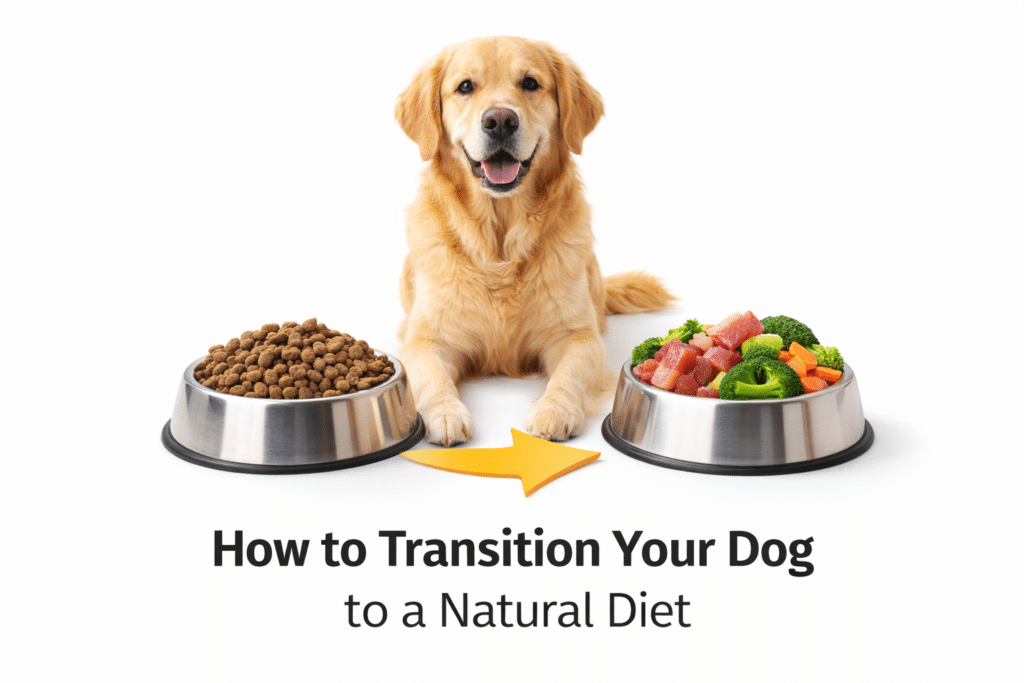
Switching your dog to a natural diet can dramatically improve digestion, energy levels, skin health, and overall wellness. However, making the transition too quickly can lead to digestive upset, diarrhea, or food refusal.
This Step-by-Step Guide to Transition Your Dog to a Natural Diet will show you exactly how to transition your dog safely from kibble to a natural diet, including dehydrated dog food, raw feeding, and whole-food nutrition.
Quick Summary: Transitioning Your Dog to a Natural Diet
If you’re new to natural dog nutrition, the key points below provide a quick overview of how to safely transition your dog from kibble to a natural diet while supporting digestion, gut health, and overall wellness.
Key Takeaways
- Transitioning your dog to a natural diet should be done gradually over 7–10 days.
- A slow transition helps prevent digestive issues like diarrhea, vomiting, and stomach upset.
- Dehydrated dog food is one of the easiest and safest options for transitioning from kibble.
- Raw and whole-food diets provide more natural nutrients but require proper balance.
- Monitoring your dog’s stool, energy, and appetite is important during the transition.
- Probiotics can help support gut health and improve digestion during the diet change.
- Detox support can help remove toxins built up from processed foods.
- Every dog is different—adjust the transition speed based on your dog’s response.
- A natural diet can improve digestion, energy levels, coat health, and overall wellness.
Introduction
How to transition your dog to a natural diet. Switching your dog to a natural diet can dramatically improve digestion, energy levels, skin health, and overall wellness. However, making the transition too quickly can lead to digestive upset, diarrhea, or food refusal. If you’re wondering how to transition your dog to a natural diet safely, you’re not alone.
Many dog owners are making the switch from processed kibble to natural food to improve digestion, energy levels, and long-term health. This guide walks you through the exact steps to do it safely.
This step-by-step guide will show you exactly how to transition your dog safely from kibble to a natural diet, including dehydrated dog food, raw feeding, and whole-food nutrition. Many pet owners are now switching from processed kibble to natural dog food to improve their dog’s digestion, energy, and long-term health.
Learning how to transition your dog to a natural diet is one of the most important steps you can take for your dog’s long-term health. When you transition your dog to a natural diet properly, you help improve digestion, increase energy, and support overall wellness. This guide shows exactly how to transition your dog to a natural diet safely and effectively.
Why Transitioning Slowly Matters
A dog’s digestive system needs time to adjust to new foods. Kibble is highly processed, while natural dog food—like dehydrated or raw diets—is more nutrient-dense and biologically appropriate.
Switching too fast can cause:
• Upset stomach
• Diarrhea or loose stool
• Vomiting
• Temporary loss of appetite
A gradual transition helps your dog’s gut adapt while maintaining proper digestion. Switching dog food too quickly is one of the most common causes of digestive problems, which is why a gradual dog diet transition plan is essential. Many owners switching from kibble benefit from reading our dehydrated vs freeze-dried dog food comparison.
Step-by-Step Transition Schedule
Follow this 7–10 day transition plan to safely introduce a natural diet:
Days 1–2: 75% old food / 25% new natural food
Days 3–4: 50% old food / 50% new food
Days 5–6: 25% old food / 75% new food
Days 7+: 100% natural diet
Monitor your dog closely during this process. If you notice digestive issues, slow the transition and give your dog more time to adjust. This natural dog food transition schedule is designed to help you switch your dog’s diet safely without causing digestive issues. Follow this proven plan to transition your dog to a natural diet without causing digestive upset.
| Day Range | Old Food (%) | New Natural Food (%) | Notes |
|---|---|---|---|
| Days 1–2 | 75% | 25% | Monitor stool and appetite |
| Days 3–4 | 50% | 50% | Adjust if digestive issues occur |
| Days 5–6 | 25% | 75% | Energy levels may improve |
| Day 7+ | 0% | 100% | Fully transitioned to natural diet |
Recommended Natural Supplements for a Smooth Transition
To make the transition easier on your dog’s digestive system, consider adding high-quality natural supplements designed to support gut health and detoxification.
- Probiotics – Help restore healthy gut bacteria and improve digestion
- Digestive Enzymes – Support nutrient absorption and reduce stomach stress
- Detox Support – Help eliminate toxins from processed foods
- Gut Health Formulas – Support overall digestive balance and immune function
Using the right supplements during this transition can significantly reduce digestive issues and help your dog adapt faster to a natural diet.
To support your dog during the transition, consider adding high-quality natural supplements designed for gut health and detox support. These can help reduce digestive issues and make the transition smoother.
How Long Does It Take to Transition a Dog?
Most dogs can fully transition to a natural diet within 7–10 days. However, some dogs with sensitive stomachs may require a slower transition over 2–3 weeks. Always monitor your dog’s stool, appetite, and energy levels during the process.
Best Natural Foods to Transition To
Many pet owners prefer dehydrated food—learn more in our Dehydrated vs Freeze-Dried Dog Food comparison. Not all natural diets are the same. The best options include:
Dehydrated Dog Food
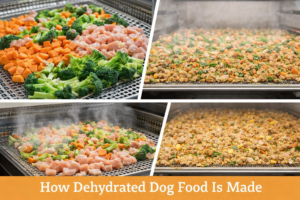
Dehydrated dog food is one of the easiest and safest ways to transition your dog. It retains nutrients while being gentle on digestion and easy to prepare.
Raw Dog Food
Raw feeding mimics a dog’s ancestral diet and provides high-quality protein and enzymes, but requires proper handling and balance.
Whole Food Diets
Fresh, whole ingredients such as lean meats, vegetables, and healthy fats can support long-term canine health when properly balanced.
Signs Your Dog Is Adjusting Well
As your dog transitions to a natural diet, look for these positive signs:
• Improved stool quality
• Increased energy
• Shinier coat
• Better digestion
• Reduced itching or allergies
Common Mistakes to Avoid
Many owners try switching dog to a natural diet too quickly, which can lead to diarrhea and stomach upset. Avoid these common mistakes when switching your dog’s diet:
• Switching too quickly
• Overfeeding during transition
• Mixing incompatible foods
• Not monitoring stool and digestion
• Ignoring signs of food sensitivity
Supporting Your Dog’s Gut During Transition
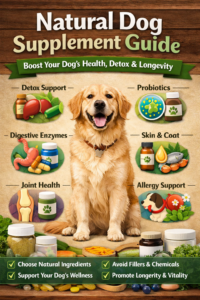
Adding natural supplements during the transition can help reduce digestive issues and support gut health. You can also explore our natural dog supplements guide to support gut health during the transition.
Probiotics help balance gut bacteria and improve digestion, while detox support supplements can assist your dog in eliminating toxins stored from processed foods.
Frequently Asked Questions
How long does it take to transition a dog to a natural diet?
Most dogs adjust within 7–10 days when transitioned gradually.
What happens if I switch my dog’s food too fast?
Switching too quickly can cause diarrhea, vomiting, or loss of appetite.
Is dehydrated dog food better for transitioning?
Yes, dehydrated dog food is one of the easiest options because it is gentle on digestion.
Can I mix kibble with natural dog food?
Yes, mixing is recommended during the transition phase to avoid digestive upset.
Final Thoughts
Knowing how to transition your dog to a natural diet properly can make a significant difference…
Transitioning your dog to a natural diet is one of the best decisions you can make for their long-term health. By taking a gradual approach and choosing high-quality food options, you can improve your dog’s digestion, energy, and overall well-being. The best way to transition dog food is to follow a structured plan and monitor your dog’s response along the way.
Start slow, stay consistent, and give your dog time to adjust—you’ll begin to see the benefits of natural nutrition in just a few weeks. This plan is designed to help you transition your dog to a natural diet safely and effectively without causing digestive issues.
When you transition your dog to a natural diet gradually, you reduce stress on their digestive system and improve long-term health outcomes. Knowing how to transition your dog to a natural diet properly can make a significant difference in your dog’s digestion, energy, and overall health.
Related Dog Nutrition Guides
Looking to improve your dog’s health naturally? Explore our expert guides on dehydrated dog food, natural supplements, digestion, and holistic dog nutrition to help your dog thrive.
- Complete Guide to Dehydrated Dog Food for Better Canine Health
- Natural Dog Supplement Guide for Gut Health and Detox
According to the American Kennel Club, gradual diet transitions help prevent digestive upset and support a smoother adjustment for dogs.